
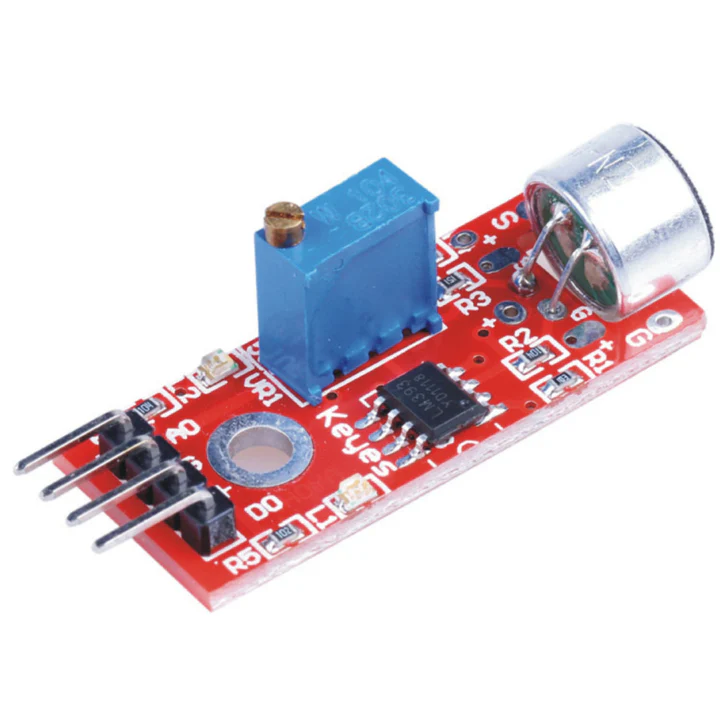

There’s something oddly satisfying about sitting down with a box of components, a soldering iron, and a half-formed idea in your head. Maybe you’ve felt it too—the mix of curiosity and impatience that comes when you’re trying to piece together a circuit that could, hopefully, power up without a puff of smoke. In a world where everything is pre-assembled and “plug-and-play,” the art of building something with your own hands feels almost rebellious.
DIY electronics kits have become the playground for people who love mixing creativity with logic. You don’t need to be an engineer or a tech wizard to enjoy them. All you need is patience, a bit of trial and error, and a willingness to learn as you go. Whether you’re a student trying to grasp the basics of circuitry or a hobbyist chasing that late-night spark of inspiration, kits are a gateway to exploration.
Why Kits Still Matter in a Ready-Made World
It’s easy to wonder: why would anyone spend hours soldering resistors and testing circuits when you can just buy a finished product online with overnight shipping? The answer lies in the process.
When you build something, you don’t just end up with a gadget—you build understanding. You figure out why one connection works and another doesn’t, why a circuit hums pleasantly instead of squealing in protest. It’s like cooking from scratch instead of reheating leftovers. The end product matters, but the journey teaches you far more.
For beginners, kits serve as a structured starting point. They offer clear instructions while leaving enough room to experiment. For seasoned tinkerers, they’re like a blank canvas, sparking ideas for modifications and hacks. And let’s be honest—sometimes it’s just fun to get your hands dirty with wires and boards.
The Magic of Sound: Playing with an Amplifier Kit
If there’s one type of project that blends both fun and practical value, it’s building an amplifier kit. Music has this strange way of bringing people together, and when you can create the device that powers the sound, it feels personal. Imagine soldering the last joint, tightening a few screws, and plugging in your guitar or phone—suddenly, your effort transforms into a wave of sound filling the room.
Amplifier kits range from pocket-sized headphone amps to beefy tube-driven beasts. Some are intentionally simple, perfect for learners who just want to see how signals grow stronger. Others are intricate, appealing to audiophiles who want to tailor every nuance of tone. The beauty is that no matter where you start, you end up with a functional piece of equipment you built yourself. And trust me, playing music through something you made feels far more rewarding than turning on a store-bought device.
Cooling, Heating, and Experimenting with Peltier Modules
Not all kits are about sound or light. Some dive into the fascinating world of temperature control. If you’ve ever touched a mysterious little square that’s icy on one side and warm on the other, you’ve probably encountered a Peltier device. These modules are marvels of thermoelectric technology, and when packaged into a peltier module kit, they become a playground for curious minds.
Tinkerers use them to build mini-fridges for soda cans, small coolers for CPUs, or even quirky experiments like hand-held air conditioners. The science behind it—heat transfer driven by electric current—feels almost magical when you first see it in action. For learners, it’s an eye-opening introduction to physics and electronics blending in unexpected ways. For hobbyists, it’s a versatile tool with endless project potential.
Trial, Error, and the Beauty of Failure
Of course, not every project works perfectly the first time. Anyone who’s ever built a kit knows the sting of flipping a switch and watching nothing happen. Maybe it’s a misplaced resistor, maybe a cold solder joint. Sometimes you spend hours chasing down the tiniest mistake.
But here’s the thing: failure is part of the fun. Every misstep sharpens your eye for detail. Every mistake teaches you more than a flawless build ever could. And when it finally works—when the LED blinks, the fan spins, or the music plays—the victory feels sweeter because you earned it.
DIY electronics, in this sense, mirror life. They remind us that progress is rarely linear, that persistence often beats raw skill, and that curiosity drives growth.
The Community Behind the Circuits
One of the most underrated joys of working with kits is the community that surrounds them. Online forums, YouTube tutorials, Reddit threads, and old-school electronics clubs are full of people sharing their builds, asking questions, and celebrating each other’s victories.
If you get stuck (and you will), chances are someone else has been in your shoes and left breadcrumbs to help you out. That sense of shared exploration transforms what could be a solitary hobby into something collaborative. Even across continents, tinkerers connect over schematics, photos, and troubleshooting tips.
And then there’s the passing of knowledge. Parents teaching kids to solder. Teachers using kits in classrooms. Friends working together on weekend projects. Each build becomes a bridge between generations and backgrounds.
Why You Should Try It
Maybe you’re reading this and thinking, “Sounds cool, but I’m not technical.” Here’s the truth: you don’t need to be. Kits are designed to ease you into the process, step by step. You’ll learn as you go, and you might surprise yourself with how quickly things click.
Start small. Maybe it’s a blinking LED kit, a tiny amplifier, or a basic sensor board. Once you see your work come alive, you’ll feel that itch to try something bigger. Before long, you’ll be the one explaining circuits to friends who think you’re some kind of wizard.
And if you already have a technical background? Kits give you a way to play without pressure. You don’t need a deadline or a work project to justify tinkering. It’s just pure, unfiltered fun.
The Bigger Picture
In a society obsessed with speed and convenience, DIY electronics are a reminder to slow down. To enjoy the process. To create not just for efficiency, but for curiosity’s sake.
Whether it’s music amplified through a board you soldered, a soda chilled by a thermoelectric cooler, or even a light that flickers just because you made it—these small victories matter. They’re proof that we can still build things with our own hands, and that learning doesn’t stop once the kit is complete.
So next time you’re browsing online and stumble across a kit, don’t just scroll past. Pick one up. Open the box. Let yourself wrestle with the instructions, make a few mistakes, and discover the thrill of bringing circuits to life.
Because in the end, it’s not about the gadget on your desk. It’s about the journey you took to make it real.