
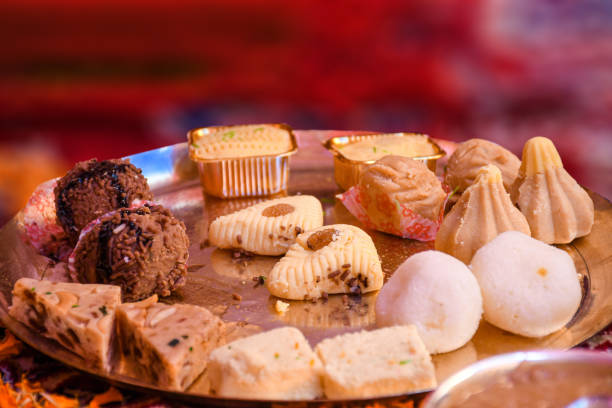

A treasured component of India’s extensive culinary legacy are Bengali sweets. These treats, which are well-known for their delicate textures, delicate sweetness, and distinctive flavors, are a staple of Bengali festivals, festivities, and daily enjoyment. Bengali sweets are magical not just because they taste good but also because of the skill and tradition that go into making them. Thankfully, you can savor real flavors without ever leaving your kitchen by recreating many of these delicious dishes at home with a little love and effort.
Rasgulla, a soft and spongy ball formed from chhena (Indian cottage cheese) drenched in light sugar syrup, is one of the most famous Bengali desserts. Rasgulla has been enjoyed for generations in Bengal, which is frequently cited as its birthplace. Kneading the chhena just enough to create a smooth, flexible dough that swells up wonderfully when boiled in syrup is the key to making the ideal Rasgulla. When making Rasgulla at home, the cheese balls are boiled in a mild, aromatic sugar syrup that has been flavored with cardamom. The end result is a pleasantly fluffy, refreshingly sweet confection that melts in your tongue. Because it may be served cold, it’s the ideal treat for warm weather.
Rasmalai, another popular Bengali dessert, is closely connected to Rasgulla. Rasmalai is made with soft, flattened chhena discs soaked in rabri, a cooled milk that has been thickened and flavored. Cardamom and saffron are added to the rabri, and it is occasionally topped with almonds and pistachios. The contrast between the delicate texture of the chhena and the creamy milk is intoxicating. Once you learn how to make chhena and rabri, preparing Rasmalai at home is very simple, despite its seemingly complicated appearance. Any occasion is instantly elevated by this spectacular dessert.
A traditional Bengali treat that embodies the spirit of chhena is sangesh. Sandesh, in contrast to Rasgulla or Rasmalai, is usually dry and, depending on how it is prepared, can be soft and creamy or slightly gritty. Fresh chhena is scented with cardamom or saffron, boiled slowly with sugar, and then shaped into delicate patterns or shapes. Its simplicity is what makes it so appealing. Sandesh allows for culinary inventiveness with its countless varieties, which include the addition of fruit purees, almonds, or even chocolate. Because it uses few ingredients and produces a very genuine flavor, making Sandesh at home can be a fulfilling experience.
Chomchom (also known as Chamcham), a cylindrical and marginally denser Bengali confection than Rasgulla, is another well-liked treat to sample. Its distinctive floral aroma and texture come from frying chhena in sugar syrup before rolling it in grated coconut or occasionally dipping it in syrup flavored with saffron or rose water. The soft inside is contrasted with a pleasing chewiness from the coconut coating. Chomchom is a festive favorite that can be made at home with simple materials and a little attention to detail. It is visually stunning with its vivid colors.
Pithe is a classic Bengali delicacy that is frequently made for special events and throughout the winter months if you like desserts with a harder texture. Pithes can be steamed, fried, or cooked in jaggery syrup, among other ways. Bhapa Pithe, a steamed rice flour cake stuffed with a tasty and cozy blend of coconut and jaggery, is one popular variety. Pithe is the ideal companion to the rich filling because of the unique texture and subtle flavor that the rice flour imparts. Although it takes some getting used to using rice flour dough, making pithe is a fun activity that helps you connect with Bengali customs and culture.
Nolen Gur Rosogolla, a seasonal dessert that soaks the chhena balls in Nolen Gur, or date palm jaggery, rather than ordinary sugar syrup, is another delicious treat. This type of Rasgulla is typically prepared in the winter when Nolen Gur is just harvested, and the jaggery gives it a richer, caramel-like flavor. Nolen Gur Rosogolla is a remarkable handcrafted delicacy that is worth tasting for a genuine Bengali experience because of its distinct flavor and aroma.
Kheer Kadam provides the ideal combination of textures for anyone who like sweets with a hint of crunch. A coating of khoya (milk solids) covers the little, soft Rasgulla center of this confection, which is frequently wrapped with finely ground almonds or desiccated coconut. A delicious bite is produced by the contrast between the harder outer layer and the juicy, syrupy core. With a little perseverance and practice, making Kheer Kadam at home is simple. First, the Rasgulla must be prepared. Next, it must be shaped and coated with khoya.
Another popular Bengali treat that is both healthful and decadent is mishti doi, or sweetened fermented yogurt. Slow fermentation of milk with sugar or jaggery gives it a creamy texture and a hint of sweetness, making it a rich and tangy treat. Making Mishti Doi at home is easy and only requires a few basic materials and a warm fermentation area. It makes a pleasant dessert on its own and goes well with savory or spicy Bengali dishes.
Labanga Latika, a deep-fried pastry filled with sweet coconut and khoya and then soaked in sugar syrup flavored with cloves (labanga), is an essential part of any discussion about Bengali sweets. This sweet is distinguished by its clove scent, which adds a warm, spicy undertone that harmonizes well with the sugary filling. For anyone who wants to try traditional Bengali sweets other than the typical chhena-based delights, Labanga Latika is a labor-intensive yet very gratifying experience.
In addition to individual sweets, khoya or mawa, a dense milk solid that contributes depth and richness, is the focal point of many Bengali desserts. You may make a variety of sweets with khoya as a base, such Narkel Naru (coconut and khoya balls), which are simple to make at home and perfect for giving as gifts or for special occasions. These balls, which are cardamom-flavored and occasionally topped with nuts, provide little hits of sweetness.
The process of creating Bengali sweets at home is just as enjoyable as the final product. Simple materials like milk, sugar, chhena, and spices are needed for many of these desserts, but the secret is to learn the right methods, such as kneading chhena to the proper consistency, heating sugar syrup to the ideal thread stage, and delicately harmonizing flavors. With perseverance, even novices can make these classic treats and wow loved ones.
Additionally, handcrafted Bengali sweets are customizable. You can add your preferred nuts and fruits, adjust the sweetness, and try natural flavorings like saffron or rose water. Recipes can also be modified to accommodate dietary restrictions; for example, you can make vegan versions with plant-based milk or substitute jaggery for refined sugar. The experience is not just gastronomic but also artistic and individualized due to the limitless choices.
Making these sweets at home adds a touch of tradition and coziness to your kitchen, whether you’re serving them for a holiday, a family get-together, or just because you’re craving something Bengali. Generations of memories and tales are evoked by the scent of simmering milk, the delicate sweetness of syrup, and the velvety texture of newly prepared chhena. Every homemade treat is a tiny triumph in perfecting a cherished craft, and every mouthful is a celebration of Bengal’s rich past.
At the end of the day, Bengali sweets such as Rasgulla, Sandesh, Rasmalai, Chomchom, and Pithe provide a fascinating exploration of one of India’s most treasured foods. You can make these treats at home and savor their real flavors whenever you want with a few basic ingredients, some basic kitchenware, and a little perseverance. In addition to satisfying your sweet craving, creating these treats allows you to experience the essence of Bengali culture, which infuses your daily life with happiness and sweetness.