
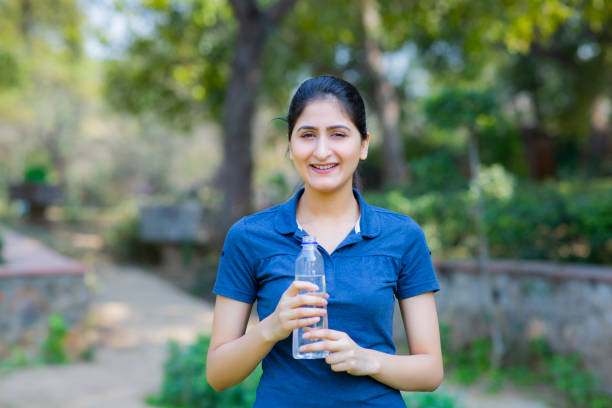

When it comes to being well hydrated, India’s varied climate—which includes hot summers, muggy monsoons, and frigid winters—presents special difficulties. Despite being essential to preserving health and wellbeing, people frequently forget to stay hydrated, particularly in the face of hectic schedules and demanding environmental circumstances. In a nation like India, where high temperatures and humidity may cause dehydration quickly, the significance of consuming enough water becomes even more crucial. Dehydration can have an impact on everything from immunity and skin health to energy levels and cognitive function.
It is necessary to take into account the daily reality of heat exposure, physical activity, diet, and cultural customs in order to comprehend the subtleties of hydration in the Indian environment. For example, in several regions of the country, summer temperatures can reach over 40 degrees Celsius, and the monsoon season brings high humidity that increases perspiration. Even in the winter, the chilly, dry air in the north might make individuals less thirsty, which makes them inadvertently drink less water. A careful approach to hydration that is appropriate for the Indian environment is required because of all these aspects.
The main source of hydration is water, but hydration is a more comprehensive idea that includes restoring the electrolytes and fluid balance that the body loses through breathing, sweating, and urination. Even if drinking plain water is necessary, it might not always be enough, particularly when there is heat stress or excessive perspiration. Traditional Indian drinks and foods high in water content can help with this since they provide essential nutrients and hydration.
Adopting natural drinks, which have been a part of Indian culture for millennia, is one of the best methods to stay hydrated in the country’s scorching heat. For instance, because it contains vital electrolytes like potassium, salt, and magnesium in addition to water, coconut water is frequently referred to as “nature’s sports drink.” Fresh coconut water is a tasty and nutritious substitute for artificially sweetened beverages in the summer since it may rapidly restore lost fluids and minerals. It offers a natural energy boost, is readily available in many parts of the nation, and is easy on the stomach.
Buttermilk, also known as chaas, is a yogurt-based beverage that is popular throughout India, particularly in the country’s north and west, and is another traditional hydration aid. Chaas contains water, salt, and spices that assist maintain electrolyte balance, and it is high in probiotics that support digestive health. Spices like black salt and roasted cumin powder enhance taste and facilitate digestion, making chaas a useful and delicious beverage on hot days. It is a healthy choice that may be drank throughout the day to stay hydrated because of its dairy and water content.
In a similar vein, lime water, also known as nimbu pani, is a straightforward yet incredibly powerful beverage made by mixing water with fresh lemon juice, a teaspoon of salt, and perhaps a dash of roasted cumin powder or black salt. This mixture supports the immune system by hydrating, restoring electrolytes, and giving a dosage of vitamin C. In order to boost energy and facilitate digestion, lime water is particularly well-liked in the summer and after working out. It is easy to make, affordable, and customizable to personal preferences; some people add mint leaves for added freshness or a little jaggery for sweetness.
In addition to drinks, a lot of water-rich Indian fruits and vegetables are important for staying hydrated. Commonly ingested fruits and vegetables like watermelon, cucumber, muskmelon, oranges, and tomatoes offer vitamins, minerals, and antioxidants in addition to fluids. These foods’ natural sugars help sustain energy levels, and they’re simple to include in meals and snacks. For instance, chopping cucumbers and adding a little lemon juice or chaat masala can provide a refreshing and cool snack in the afternoon heat.
It is crucial to monitor daily water intake in addition to these natural hydration enhancers. Although it varies depending on personal needs, physical activity, age, and climate, adults are generally advised to drink two to three liters of water per day. Due to heavy perspiration, this demand may rise dramatically during the Indian heat. It’s advisable to pay attention to your body’s thirst cues and drink little amounts on a regular basis rather than consuming excessive amounts all at once. Maintaining consistent levels of hydration can be achieved by carrying a reusable water bottle and developing the habit of drinking water throughout the day.
In the Indian climate, a few lifestyle changes and practices might help promote hydration even more. For instance, sweat can effectively drain when wearing loose, breathable cotton clothing, lowering the chance of overheating and fluid loss. Excessive perspiration can be reduced by avoiding direct sunlight during peak hours, finding shade, and, if feasible, utilizing fans or air conditioning. Additionally, the body’s need for water for digestion can be decreased by eating smaller, more frequent meals as opposed to heavier, substantial ones.
Electrolyte balance is also essential for hydration, particularly for salt, potassium, calcium, and magnesium, which are lost through perspiration. Moderate amounts of salt are required during hot weather to maintain fluid balance, even though salt intake is sometimes discouraged. A spoonful of black salt added to beverages like chaas or lime water helps restore sodium lost through perspiration, even though traditional Indian meals frequently include enough salt by nature. Foods that include potassium and magnesium, like bananas, leafy greens, almonds, and seeds, support both muscular function and general hydration.
The diuretic effect of alcohol and caffeinated drinks, including tea and coffee, which are popular in India, might increase fluid loss. Although moderate intake is usually acceptable, it’s crucial to make up for it by consuming more water or hydrating beverages, particularly in hot weather or when exercising. Herbal teas, such as ginger tea or tulsi (holy basil), can aid with digestion, soothe, and hydrate without having the drying effects of coffee.
Because of its high humidity and temperature swings, the monsoon season also necessitates careful hydration. Perspiration causes the body to lose fluids even in milder temperatures. Furthermore, drinking safe, clean water is essential because waterborne illnesses are frequently brought on by the monsoon. To prevent diseases that can lead to dehydration, it is recommended to drink boiling and cooled water or filtered water. Maintaining gut health and hydration at the same time is made easier by including hydrating foods and probiotic beverages like buttermilk.
Hydration is frequently ignored during the winter months as feelings of thirst lessen. Nevertheless, the body still loses water through skin evaporation and breathing. Hot lemon water, hydrating vegetable soups, and warm herbal teas can all promote fluid intake without the pain of cold beverages. In addition to providing hydration, soups with lentils, spinach, or bottle gourd also offer warmth and sustenance, which aids in maintaining fluid balance during colder months.
Hydration becomes even more crucial for people who are physically active or who work outside in the Indian sun. Dehydration and heat-related disorders can be avoided by replenishing fluids before to, during, and following physical activity or manual labor. For these circumstances, traditional Indian beverages like sugarcane juice, aam panna (raw mango drink), and khus sherbet are great. Particularly valued for its cooling and electrolyte-replenishing qualities is aam panna, which is prepared with raw mangoes, salt, roasted cumin powder, and jaggery. Although sugarcane juice should be drunk fresh to prevent fermentation, it offers immediate energy and hydration due to its natural sugar and mineral content.
Hydration is an essential part of your everyday routine. Simple routines like drinking a glass of warm water first thing in the morning, keeping a water bottle with you, setting water reminders, and selecting hydrated snacks can have a big impact. Early detection of dehydration symptoms, such as headache, dizziness, weariness, dry mouth, and dark urine, is also beneficial. More serious consequences can be avoided by treating these symptoms as soon as possible and drinking enough water.
In summary, staying hydrated in the Indian environment necessitates a thoughtful, comprehensive strategy that goes beyond simply drinking water. The body can remain well-hydrated and healthy all year long by utilizing the abundance of Indian culinary traditions, such as coconut water, buttermilk, lime water, and hydrating fruits, in conjunction with lifestyle considerations and electrolyte balance. These hydration suggestions offer a thorough guide to maintaining ideal fluid balance whether you’re facing the intense summer heat, the humid monsoon, or the dry winter cold. In the vibrant and demanding Indian environment, adopting these habits not only promotes physical health but also improves vitality, energy, and mood.